The Forgotten Competitive Element Within European Baccarat
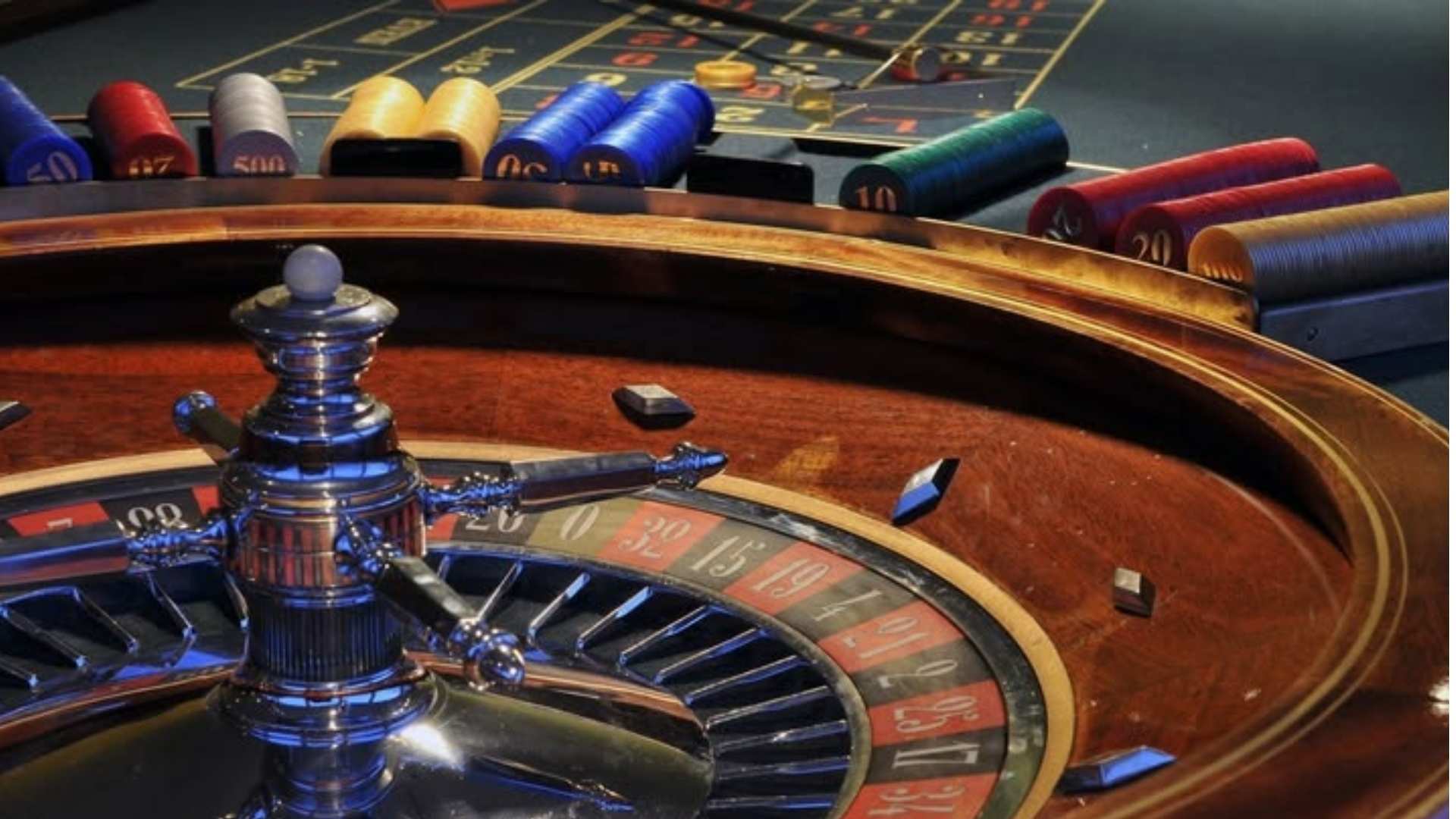
The streamlined simplicity of modern casino card tables often obscures the rich, interactive history of classic card games. While contemporary players view baccarat as a straightforward game of pure chance, the historic European variations offered a completely different structural environment. Exploring these early traditions reveals a highly combative format where human decisions and community dynamics directly shaped the outcome of each round.
The Shared Dynamics of Early Table Formats
In traditional European salons, baccarat was defined by rotating responsibilities and active player engagement rather than automated dealer software. Variants such as Baccarat Banque forced participants to take turns managing the table funds and assuming the strategic financial burdens. This fluid setup transformed a passive wagering choice into a profound tactical commitment among all seated players.
Because the house did not assume total operational control, the participants were directly pitted against each other in a battle of nerves. This structure encouraged deep observation, psychological warfare, and intense spatial awareness across the layout. The physical arrangement of these historic rooms fostered a secluded enclave reserved for deep concentration and quiet socialization.
How Player Decisions Influenced Table Outcomes
Unlike the modern fixed rules that dictate exactly when cards are drawn, classic European formats permitted active card-drawing decisions. Seated participants possessed the tactical freedom to stand or draw based on their assessment of the current table context. This freedom introduced a genuine competitive layer, allowing seasoned card enthusiasts to outmaneuver their opponents through calculated risks.
Every manual deal required active psychological assessment, turning the comparison of simple card values into an intense social contest. Experienced players had to balance individual fortune with collective table accountability during high-stakes sessions. Modern gaming platforms like m88 allow enthusiasts to connect with diverse contemporary variations that respect these historic roots. This continuous evolution bridges the gap between old-world manual customs and streamlined digital infrastructure.
The Spatial Strategy of Traditional Salons
The architecture of a classic semi-circular table dictated far more than mere aesthetics or random seat placement. In traditional gaming houses, your specific seating position directly changed your access to crucial operational data. Players who understood how to utilize their placement relative to the dealer could consistently make more informed choices.
This environmental recognition meant that tracking positional advantages was far more valuable than simply chasing repetitive statistical patterns. The unwritten codes of conduct and strict spatial protocols served as a natural social metric among European players. These enduring historical elements explain why traditional card games continue to serve as profound exercises in numerical strategy.
The Lasting Legacy of Interactive Gaming
The transformation of regional card games into standardized global casino entertainment has altered the core psychological environment. While automated systems offer unmatched speed and transaction velocity, they often eliminate the vibrant human element that defined early salons. Examining these forgotten competitive mechanisms provides valuable insight into how modern leisure activities originally developed.
Ultimately, the history of European baccarat reminds us that tabletop gaming flourished as a collaborative, participatory endeavor. Recognizing the structural shifts from individual player-controlled banks to corporate entities deepens our appreciation for table customs. By studying these sophisticated custom variations, modern enthusiasts gain a much clearer perspective on global card history.