How Does + - Work in Betting Understanding Positive and Negative Betting Odds
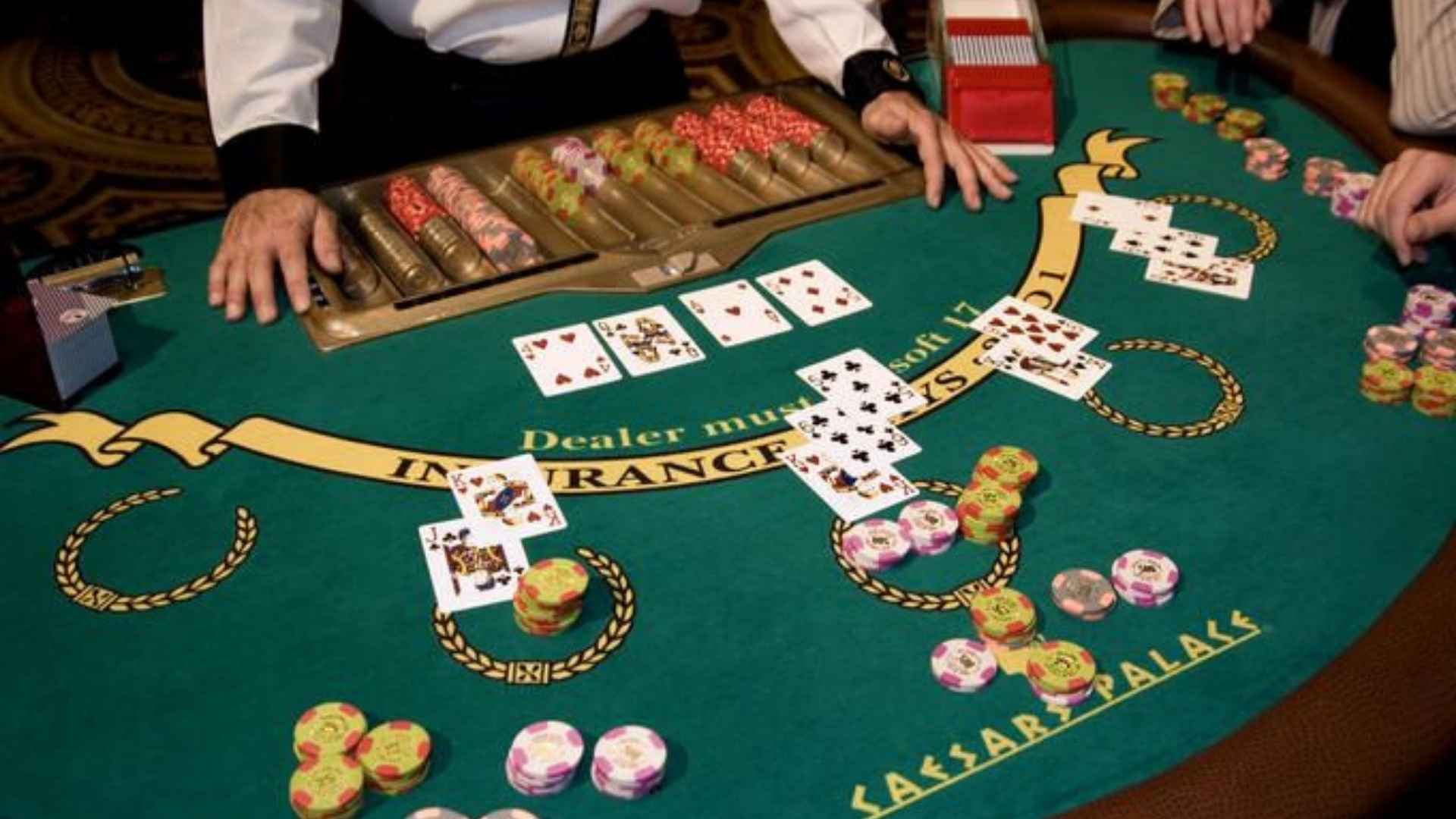
Navigating the world of sports wagering requires a clear understanding of American odds, which rely heavily on plus and minus symbols. These mathematical signs indicate both the expected outcome of a contest and the potential payout relative to your stake. By learning how these numbers function, bettors can quickly evaluate risk and make more informed decisions.
Decoding the Meaning of Negative Odds
A minus sign next to a betting line designates the favorite in a given matchup. This figure tells you precisely how much money you must wager in order to secure a $100 profit. Because the favorite has a higher statistical probability of winning, the financial return is lower relative to the amount risked.
For example, if a team is listed at -150, a bettor must stake $150 to win $100 in net profit. If the team succeeds, the sportsbook returns the original $150 stake along with the $100 earnings. Understanding this baseline dynamic prevents confusion when evaluating high-probability wagers.
Understanding How Positive Odds Function
Conversely, a plus sign highlights the underdog in a sporting event. This number represents the net profit you would earn on a successful $100 wager. Underdogs carry a lower implied probability of winning, which is why sportsbooks offer larger financial incentives to attract action on them.
If a competitor carries odds of +200, a correct $100 wager yields $200 in pure profit, returning $300 in total payout. Many modern platforms, including prominent sports hubs like link m88, display these probabilities to help fans compare potential returns across different events. Higher positive numbers reflect greater risk alongside greater prospective rewards.
Calculating Payouts on Varied Wager Amounts
You are never required to bet exactly $100 on a line featuring plus or minus odds. The ratios established by these symbols scale proportionally up or down based on your actual stake. A $15 bet on a -150 favorite returns $10 in profit, while a $10 bet on a +200 underdog yields $20.
To calculate potential returns on minus odds, divide 100 by the line and multiply by your stake. For positive odds, divide the line by 100 and multiply by your stake. Grasping this quick arithmetic empowers you to size your bets accurately according to your bankroll.
Translating American Odds to Implied Probability
Beyond indicating payouts, plus and minus numbers reflect the sportsbook's implied probability for an outcome. A line of -200 suggests a team has roughly a 66.7% chance of victory, whereas +200 translates to a 33.3% chance. Converting odds into implied percentages helps you identify value where your own analysis differs from the market consensus.
Recognizing the balance between risk, reward, and probability is essential for sustainable wagering habits. Armed with a firm grasp of plus and minus signs, you can interpret betting boards with confidence and discipline.